Key Research Information
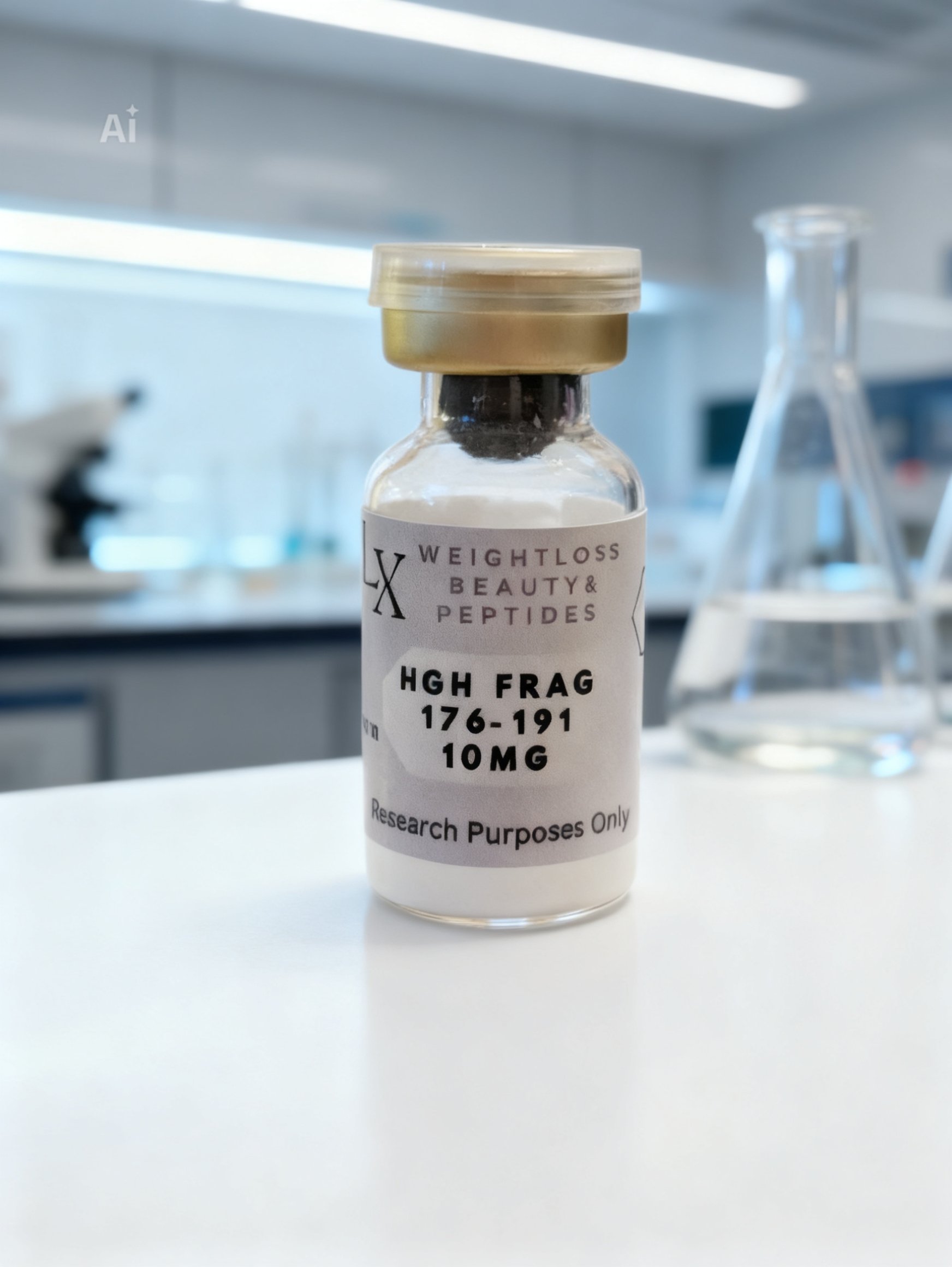
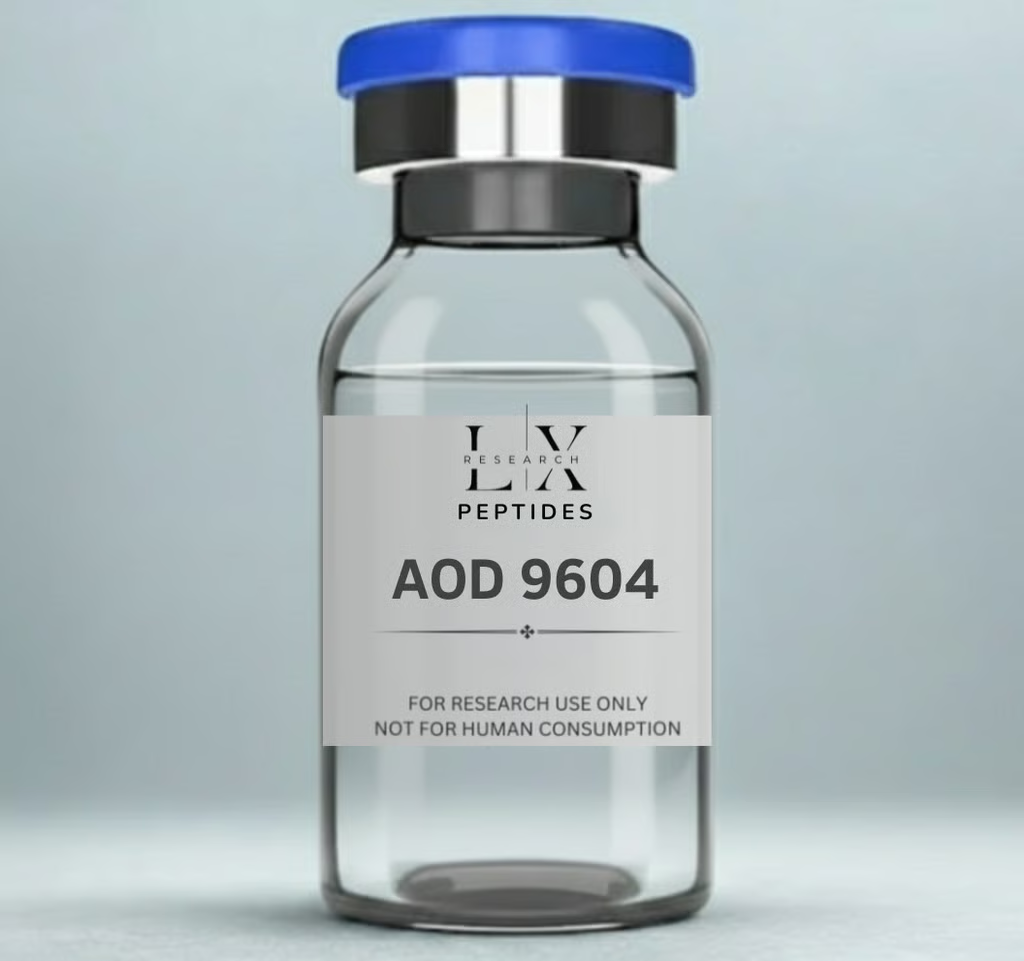
- Description: AOD-9604 is a synthetic analog of the C-terminal lipolytic domain of hGH (amino acids 177-191), with an added tyrosine residue at the N-terminus to enhance stability.
- Mechanism of Action: Research suggests it primarily works by increasing lipolysis (the breakdown of fat) in adipose tissue and inhibiting lipogenesis (the formation of new fat), without stimulating hGH receptors or affecting IGF-1 levels or glucose tolerance. Its actions may be partly mediated by an interaction with beta-3 adrenergic receptors.
- Intended Use/Research Focus:
- Obesity/Weight Loss: It was originally developed as an anti-obesity drug. While early trials showed modest, statistically significant weight loss in some studies, a large-scale pivotal Phase IIb trial failed to meet its primary efficacy endpoint, leading to the termination of development in 2007.
- Cartilage/Bone Repair: Emerging research in animal models suggests potential benefits for joint and cartilage health, including the treatment of osteoarthritis.
- Regulatory Status:
- It is an unapproved investigational compound and is generally sold as a “research chemical” for laboratory use only. It is not for human or veterinary use.
- The U.S. Food and Drug Administration (FDA) has significant safety concerns related to certain peptides in compounded drug products and has not placed AOD-9604 (free base or acetate form) on the list of bulk drug substances that can be used in compounding.
- It is a prohibited substance by the World Anti-Doping Agency for use in sports due to its performance-enhancing potential.
- Safety Profile: In human clinical trials conducted before its development termination, AOD-9604 was found to be generally safe and well-tolerated, with a safety profile similar to a placebo and none of the adverse effects (e.g., increased IGF-1, insulin resistance) associated with full hGH treatment. However, long-term safety data remains incomplete.