Key Research Areas
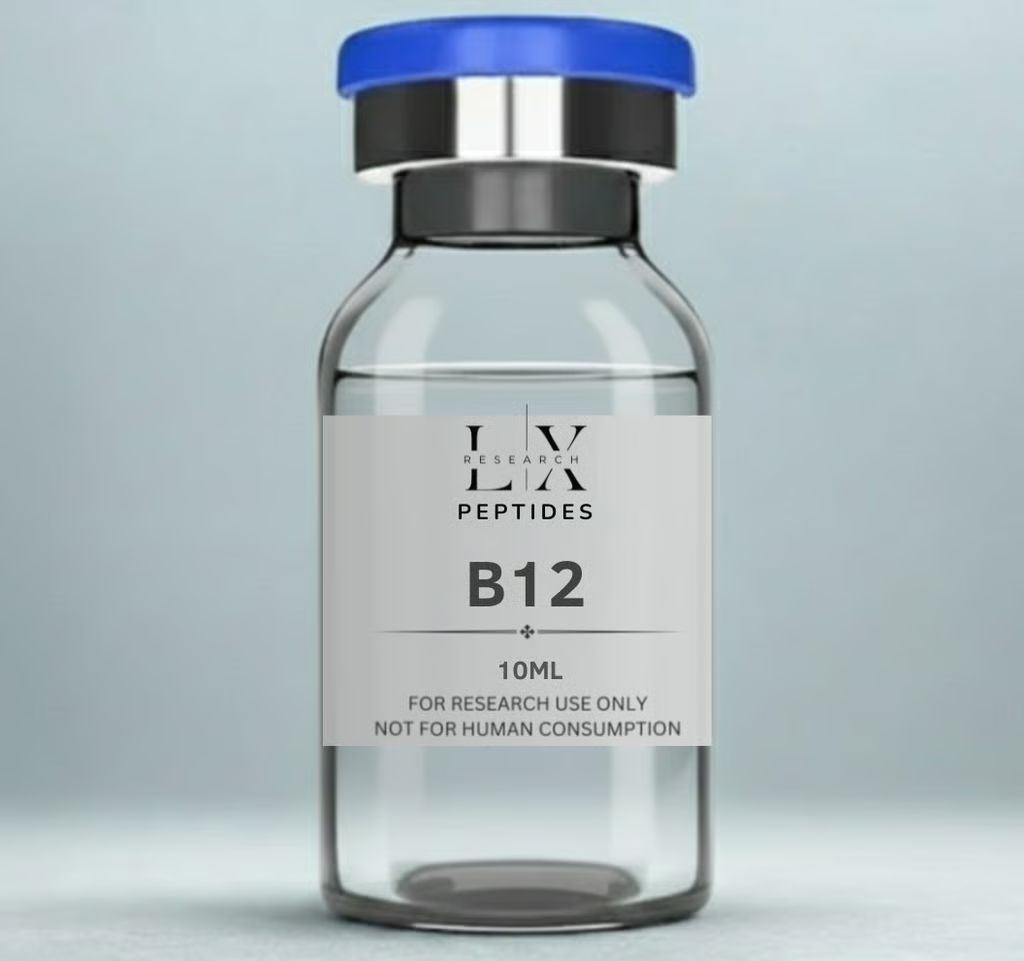
- Deficiency Treatment: B12 injections effectively correct low B12 levels, crucial for red blood cell formation and nervous system health, particularly in those with absorption issues (e.g., older adults, digestive conditions).
- Neurological Symptoms: Injections help reverse neurological complications of deficiency, though full recovery from severe nerve damage can take months or longer.
- Metabolic Support: B12 aids metabolism, but direct weight loss or significant energy boosts aren’t proven unless a deficiency is present, with studies showing no benefit for athletic performance in well-nourished individuals.
- Pain & Inflammation: Animal studies and some trials suggest B12’s role in nerve regeneration and pain pathways, showing promise for conditions like back pain, but large trials are lacking.
- COVID-19 Symptoms: Research explores B12’s role in balancing immune responses and alleviating persistent symptoms like fatigue and brain fog, showing positive trends in reducing pain and memory issues.
How Injections Differ
- B12 injections bypass digestive issues, ensuring better absorption compared to oral supplements for those with malabsorption problems.
Key Findings & Limitations
- Efficacy: Highly effective for treating established B12 deficiency and associated anemia/neuropathy.
- Energy/Weight: Little evidence supports these benefits without a deficiency.
- Safety: Generally safe, but consult a doctor, as high doses might interact with medications like metformin.
- Future Research: Larger trials are needed to determine optimal dosing, forms (methylcobalamin vs. cyanocobalamin), and efficacy for various conditions.